






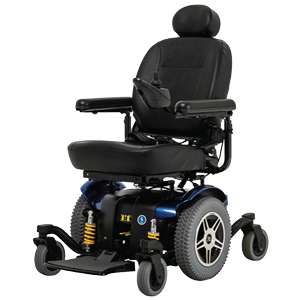



A folding power wheelchair can help you keep familiar mobility support with you when you visit family, take a holiday or spend a day somewhere new. A little planning before you leave makes the journey easier and gives you more time to enjoy the trip.
Whether you’re travelling by car or flying from a Canadian airport, start with the chair and battery you’ll actually take. Then work through the journey from your front door to your destination.
Before you book
- Check the fit: will the folded chair fit your vehicle, and can you load it with the help available?
- Check the battery: if you’re flying, has every operating airline accepted your exact chair and battery?
- Check your destination: will you have the access, space and charging point you need?
Get to know your chair before the trip
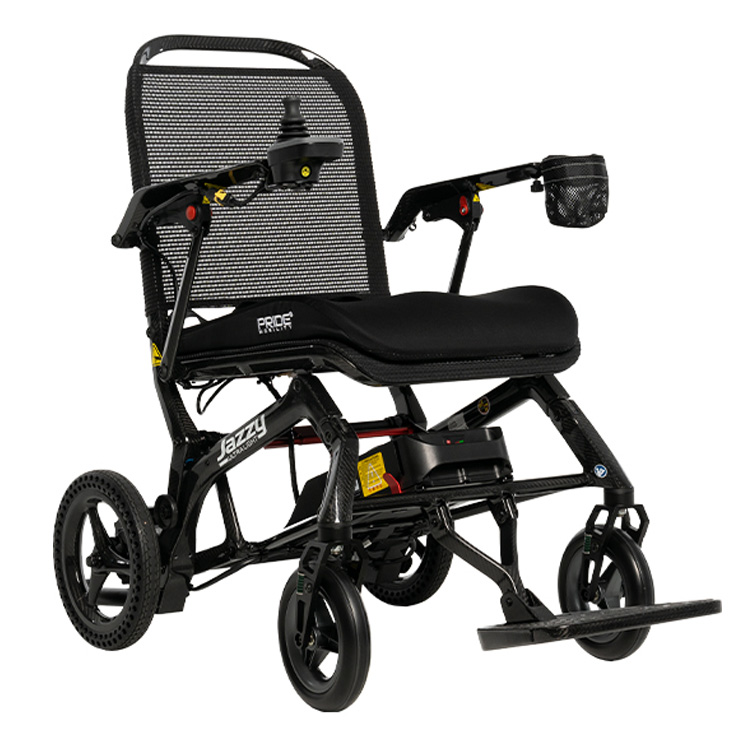
Practise folding your chair, removing any parts you need to take off and getting it ready to use again. Do this at home rather than for the first time beside a taxi or at the check-in desk.
Keep a note of the model, battery option, folded dimensions and the weight of the parts you’ll handle. It’s useful to have a photo of the battery label and a copy of the owner’s manual on your phone, as well as a printed copy of the key transport instructions.
If someone else will load the chair, show them the correct lifting points and folding steps. Your Pride provider can help you work out an easy routine for your particular model.
Travelling by car
Measure the boot or hatch opening, the loading lip and the space inside. Leave room for your bags and any other equipment you take with you. The opening matters just as much as the floor space: a chair may fit inside yet be awkward to lift through the hatch.
Try a practice load with the person who will usually help. Look at where you’ll stand, how you’ll grip the chair and whether you need assistance or a loading solution. A light chair can still be difficult to lift at an awkward height.
With the Jazzy Ultra Light, the cushion is removed for folding and the chair locks in its folded position. Its published 32.6 lb (14.8 kg) assembly weight excludes the battery box, cushion and cup holder, so check the complete weight of what you’ll carry.
Keep loose parts together and protect the controller during transport. Follow the chair’s instructions for secure transport, and don’t use a folding chair as an occupied seat in a vehicle unless that exact chair and transport setup are approved for it.
Flying with a folding power wheelchair
Speak to each operating airline before you book, including airlines handling connecting flights. Give them the model, chair dimensions, handling weight and battery details. Ask what preparation they require and how they’ll help you transfer and return your chair.
An “airline-compliant” battery description is useful, but it isn’t automatic approval for every flight. The airline needs to accept your equipment for the aircraft and itinerary you’re travelling on.
Choosing an Ultra Light battery for travel
The Ultra Light is available with a 10Ah or 20Ah battery. Pride identifies the 10Ah option as airline compliant, subject to regulations and airline acceptance. The 20Ah option is not designated airline compliant.
If you’re choosing the chair with flights in mind, discuss the smaller battery first and confirm it with the airlines you expect to use. A longer-range battery may be useful for day-to-day outings without being suitable for the same travel plans.
Your airline may ask for the battery’s watt-hour rating, whether it can be removed and how its terminals will be protected. Use the actual battery label and manufacturer instructions. Confirm whether a removed battery or spare battery can travel, and where it needs to be carried.
For an example of the questions to expect, see WestJet’s wheelchair and mobility-aid guidance. Always check the current requirements with the airlines operating your own flights.
At the airport
Ask where you’ll transfer from your chair and where it will be returned after landing. If you have a connection, confirm the assistance for that airport too. Keep the things you need for seating and comfort with you where permitted.
A short handling sheet attached to the chair can help staff. Include the model, your contact details, the correct lifting points and the instructions the airline has agreed to use. Make the information easy to find; don’t rely on someone searching through a full manual while loading.
Secure or remove loose accessories as directed and protect the joystick. Take a few photos of the chair before handover. When it’s returned, check the controls, battery, frame and loose parts before leaving the airport, and report any handling damage through the airline’s process.
Make arrival part of the plan
Contact your accommodation directly about the measurements that matter to you: doorways, thresholds, lift openings, turning space and the layout around the bed and bathroom. A general “accessible room” description may not answer every question about your own chair.
Check taxis and shuttles as well. Confirm the vehicle’s storage opening and whether someone can help load your chair. If you need to travel while seated in a mobility device, arrange transport and equipment specifically approved for that purpose.
Look at the places you want to visit, including the approach from the car park or public transport stop. A step-free entrance is helpful, but the route leading to it may still need checking.
Charging and Canadian weather
Pack the approved charger for your battery and confirm that you’ll have a suitable place to use it. Allow charging time between outings, and leave a reserve when planning the distance you’ll travel each day.
Follow your chair’s instructions for storage, moisture and temperature. The Ultra Light manual cautions against water and dampness and says not to charge a frozen battery. Plan dry storage and don’t assume a travel bag makes the chair weatherproof.
Your travel checklist
- Model details, manual and a photo of the battery label.
- The approved charger and any loose parts kept together.
- A practised folding and loading routine.
- Airline acceptance and assistance arrangements for every flight.
- A clear handling sheet and photos of the chair before handover.
- Confirmed vehicle, accommodation and charging arrangements.
- A little flexibility for delays, longer transfers or a change of plans.
Find a chair that suits the way you travel
Read our folding Jazzy comparison to explore seating, batteries and transport weights, or find a Pride provider near you to try folding and loading a chair before you choose.
For longer outdoor outings, you may also find our Canadian outdoor scooter guide useful.