


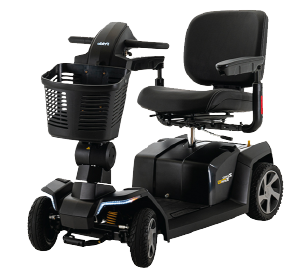

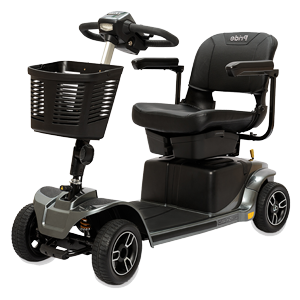



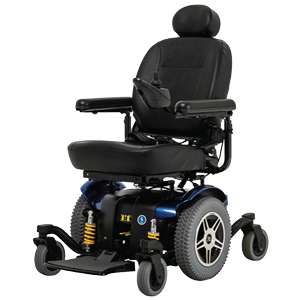



Trips to the shops, afternoons in the park and visits around the neighbourhood can all be part of choosing an outdoor mobility scooter. The right starting point is the route you want to enjoy—not just the fastest model or the longest advertised range.
Think about where you’ll go, how long you’ll be out and how you’ll store or transport the scooter. Those everyday details will help you choose features that make a difference.
What does a typical outing look like?
- Mostly paved routes: look at seating comfort, manoeuvring space, lighting and easy-to-reach controls.
- Uneven paths: compare tires, suspension and ground clearance, along with the model’s permitted terrain.
- Regular car trips: check how you’ll load the scooter and the weight of each part you need to lift.
- Longer days out: choose a battery around your full outing, with a reserve for getting home.
Start with the places you want to go
Make a short list of your usual destinations and the distance in kilometres. Include surface changes, narrow gates, tight turns, shop entrances and the route from your storage area to the street.
A few photos of an uneven path or awkward entrance can be helpful when you visit a Pride provider. They make it easier to talk about the places you’ll use your scooter instead of trying to describe everything as “rough” or “outdoor.”
Plan the complete outing, including the trip home, shopping stops and a possible detour. It’s also worth knowing where you could stop or get help if your plans change.
Three scooters to explore
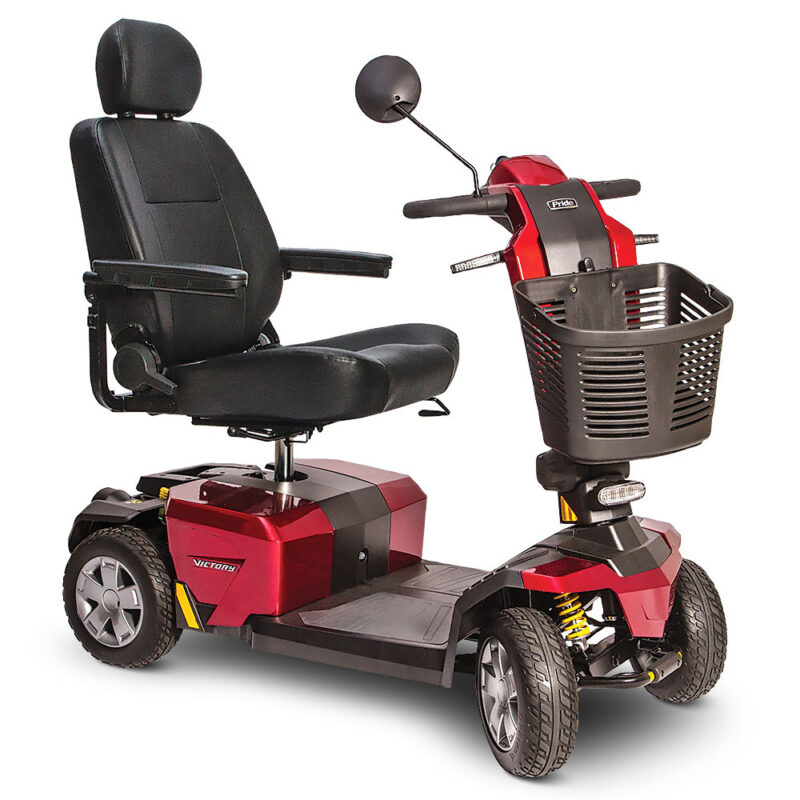
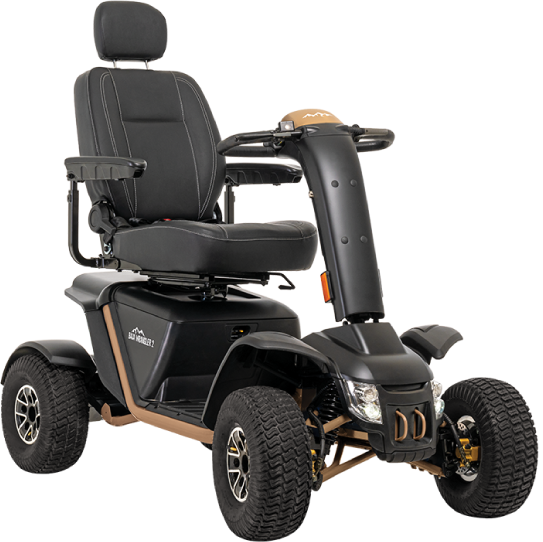
The Victory 10 LX, Baja Bandit 4-Wheel and Baja Wrangler 2 offer different combinations of comfort, outdoor features and transport needs. Use them as a starting point for your shortlist, then try the models that suit your routine.

| Model | Features to explore | Think about |
|---|---|---|
| Victory 10 LX | Comfort-Trac front-and-rear suspension, delta tiller, LED lighting and disassembly design. | Your everyday paved outings, seating comfort and vehicle-loading routine. |
| Baja Bandit 4-Wheel | Suspension-equipped seat post, disassembly and single or dual lithium-ion battery options. | The battery included in your quote and the parts you’ll need to handle for transport. |
| Baja Wrangler 2 | Front-and-rear CTS suspension, pneumatic tires, steering dampening and a larger full-size frame. | Space at entrances and turns, storage and the complete transport arrangement. |
Visit the product pages to see current colours, options and model details. An outdoor-focused design doesn’t mean every surface or weather condition is suitable, so match the scooter to the routes you expect to use.
Look beyond the maximum speed
The Bandit is rated up to 8 mph (12.8 km/h). With the standard single lithium-ion battery, its published range is up to 14.5 miles (approximately 23.3 km); the optional dual-battery setup extends that to up to 29 miles (approximately 46.7 km).
The Wrangler 2’s Canadian ratings include up to 11.5 mph (18.5 km/h) at a 200 lb rider weight and 10.6 mph (16.9 km/h) at 450 lb. With 75Ah batteries, its published range is up to 16.5 miles (26.5 km) at 200 lb or 13.3 miles (21.3 km) at 450 lb.
Use those numbers to understand the options, then bring the conversation back to your own day. How far will you travel? Where will you recharge? How much space will you have to turn? Maximum speed is just one part of the choice, and quieter, slower manoeuvring matters around entrances and other people.
Try the seating and controls
Take time to settle into the seat. Check the position of the armrests, the reach to the tiller and whether the display and controls are easy for you to use. A scooter should feel manageable throughout your outing, not only during a quick look in the showroom.
Try a low-speed turn and an approach to a doorway in a suitable demonstration area. Bring the clothing and everyday items that affect your seating or reach. If you want a particular accessory, check that it’s compatible with the model you’re considering.
Your Pride provider can help adjust the setup and show you the controls. Ask questions as you go; this is your chance to see how the scooter fits the way you move through your day.
Compare suspension, tires and clearance together
Suspension can affect the ride over uneven surfaces, but different arrangements can feel different. Seat-post suspension and front-and-rear suspension aren’t the same setup. Try a suitable demonstration route rather than choosing by the suspension label alone.
Ask about tire care too. Pneumatic tires need the checks and pressure specified for the model; solid tires have different ride characteristics. Find out what you’ll need to inspect and where tire service is available.
Ground-clearance figures can refer to different parts of a scooter. The Wrangler 2 lists 8.25 inches at the mid-frame and 5.5 inches at the motor. That doesn’t mean it can climb an obstacle of either height. Review the model’s terrain, obstacle and incline limits before planning a route.
Leave room in your range plan
Published ranges are maximum ratings. Rider weight, hills, surfaces, battery charge and condition, tire condition and driving conditions all affect the distance you’ll get.
Leave a reserve for getting home and allow for stops or detours. Confirm the battery included in your quote, especially when a model offers more than one option. A larger battery can change weight, charging and transport needs as well as range.
Choose a storage spot with suitable charging access, and use the approved charger for your battery. Ask how to care for the scooter and battery during quieter periods when you’re using them less often.
Plan for Canadian seasons
Think about where you’ll keep the scooter between outings and how your usual route changes with the weather. Follow the model’s instructions for moisture, temperature, charging and storage.
Outdoor features, covers and canopies don’t make every scooter suitable for snow, ice or standing water. The Wrangler 2’s instructions, for example, tell you to protect its tiller console from moisture. Arrange dry storage and check the scooter after use as directed.
If a route looks very different in winter, discuss it again before relying on the same outing plan. You may need a different route or transport arrangement for part of the year.
Check loading, storage and local support
If you’ll take your scooter by car, practise the complete loading routine before you buy. For a disassembling model, check the weight of each part. For a larger model, work out the vehicle and loading solution you’ll need.
Measure your storage area and the route into it, including doorways and turns. The Wrangler 2’s 32.5-inch overall width and 94.75-inch turning radius are useful reminders that storage and manoeuvring deserve attention alongside outdoor features.
Ask who will help with servicing, batteries and tires, and check what’s included in the quote. Knowing the exact model, battery, seat and accessories makes it easier to compare your options.
Bring these questions when you try a scooter
- Will it suit the surfaces and entrances on my usual route?
- Can I sit comfortably and use the controls easily?
- Which battery is included, and how will I charge it?
- Can I manage the loading routine with the help available?
- Will it fit my storage space and the turns leading to it?
- Who will provide local service and help with accessories?
Find a scooter for your next outing
Explore the Pride Mobility Canada scooter range or find a Pride provider near you to try your shortlisted models.
Considering a folding power chair as well? Take a look at our Jazzy folding-chair comparison and power-wheelchair travel guide.